

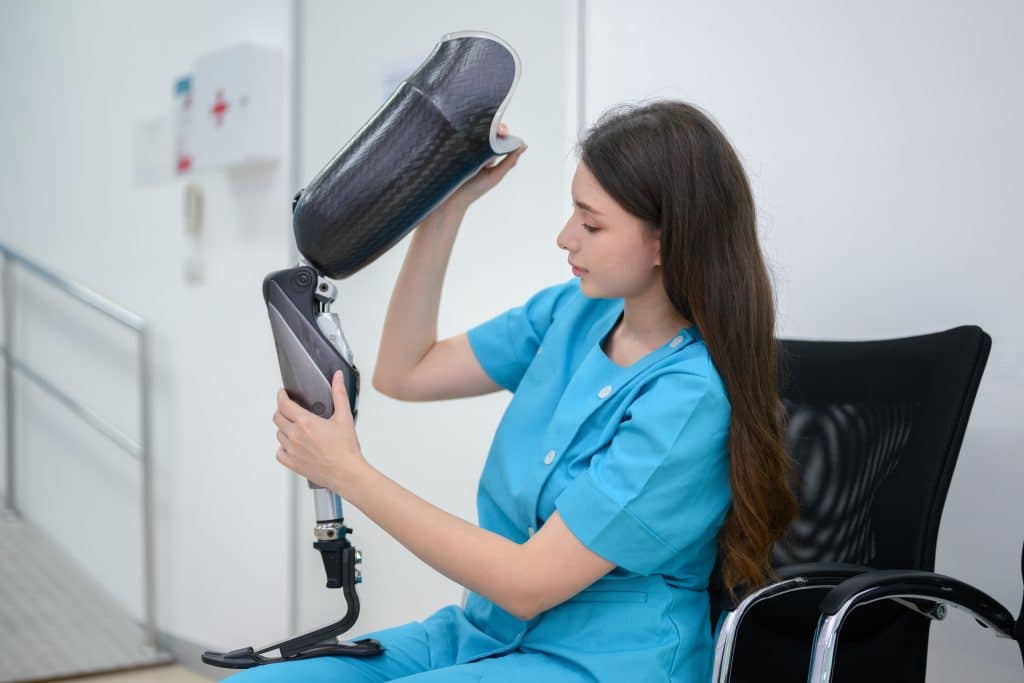
Getting a prosthetic limb or custom orthotic can feel overwhelming, especially when you start thinking about cost. Many people wonder how much their insurance will actually help.
At Pongratz Orthotics & Prosthetics, we guide patients through the process every day so they can focus on recovery and regaining independence instead of paperwork.
Are Prosthetics and Orthotics Covered by Insurance?
Yes, most major plans provide some level of coverage. Private health insurance, Medicare, and Medicaid often cover prosthetics and orthotics when doctors show they are medically necessary. These devices fall under durable medical equipment (DME), which most plans treat as essential health care items.
Coverage for orthotics and prosthetics depends on your specific diagnosis, the details in your medical records, and the rules of your plan. Not every device receives full approval, but many patients see significant help with insurance coverage for prosthetics and related services.
What Determines Insurance Coverage for Prosthetic and Orthotic Devices?
Insurance companies look at several key factors before approving payment.
Medical Necessity Requirements
A doctor must write a prescription and provide clear notes showing why you need the device. Documentation usually includes how the prosthetic limb or custom orthotic will improve mobility, daily living skills, or rehabilitation progress.
Functional Level and Patient Needs
Plans review your activity level. Someone who needs basic walking support may qualify for a standard device. More active individuals can sometimes receive approval for advanced components if their records prove the need. The goal is to match the device to your personal recovery targets.
Insurance Plan Type and Policy Details
Coverage varies between HMO, PPO, Medicare, and Medicaid plans. In-network providers usually receive better approval rates and lower out-of-pocket cost. Some policies have coverage limits, annual caps, or exclusions for certain high-tech options. Always check the fine print or ask your provider to verify benefits early.
What Parts of Prosthetic and Orthotic Care Are Typically Covered?
Most approved plans help pay for:
- Initial evaluation and clinical assessments
- Device fabrication and proper fitting
- Replacement sockets or adjustments to your custom orthotic
- Repairs and basic maintenance (when medically necessary)
- Follow-up visits to ensure the device continues working well
What Costs Should Patients Expect to Pay Out-of-Pocket?
Common Out-of-Pocket Expenses
Even with good insurance coverage for prosthetics, some expenses remain. Common out-of-pocket cost items include deductibles, copayments, and coinsurance. Advanced features or cosmetic upgrades may not receive full coverage.
When Advanced Prosthetic Technology May Not Be Fully Covered
Insurance often pays for a reliable basic prosthetic limb but may deny premium microprocessor knees or specialized components. Patients sometimes choose to pay the difference for higher performance if the basic option does not meet their lifestyle needs.
Understanding Medicare Coverage for Prosthetics and Orthotics
How Medicare Covers Prosthetic Devices
Medicare Part B treats most prosthetics as durable medical equipment (DME). After you meet the deductible, Medicare typically covers the costs of 80% of the approved amount when you use a participating supplier. You pay the remaining 20% coinsurance.
Replacement and Repair Guidelines
Replacement rules are strict. Medicare covers new devices or major repairs when your condition changes and a doctor documents medical necessity. Regular maintenance and minor adjustments also receive coverage under clear guidelines.
The Role of Your Prosthetic and Orthotic Provider in Insurance Approval
A knowledgeable provider makes the entire process smoother. At Pongratz Orthotics & Prosthetics, our team verifies your benefits before treatment begins. We prepare detailed documentation, submit prior authorizations, and work directly with physicians and insurance case managers.
We advocate for the most appropriate device that fits your functional goals and quality of life needs. This support often leads to faster approvals and fewer surprises.
Common Insurance Challenges and How to Navigate Them
Denials and Appeals
Claims sometimes get denied due to missing paperwork or questions about medical necessity. Appeals are common and often successful when providers submit stronger documentation. Persistence and clear records matter.
Delays in Approval
Prior authorization can take time. Starting the process early and keeping complete medical records helps move things forward.
Tips for Maximizing Your Insurance Benefits
- Work with an experienced, in-network provider
- Request a full cost estimate before starting any work
- Keep every prescription and progress note organized
- Tell your provider right away about changes in your condition
Questions to Ask Your Provider About Insurance Coverage
- Will you verify my benefits before we begin?
- What out-of-pocket cost should I expect?
- Are there other options if my plan denies a certain device?
- Will you handle prior authorizations and appeals for me?
Why Transparency and Guidance Matter in Prosthetic and Orthotic Care
Navigating insurance should never stand in the way of the care you need. The right provider explains everything clearly and fights for appropriate coverage on your behalf.
At Pongratz Orthotics & Prosthetics, we believe patients deserve honest answers and strong advocacy. Our team has helped thousands of individuals and families understand their orthotics and prosthetics benefits while focusing on real results and a better quality of life.
If you or a loved one needs a prosthetic limb, custom orthotic, or simply wants a second opinion about coverage for orthotics, reach out to us. We will review your plan, explain your options, and help you move forward with confidence.