
Receiving a new prosthetic leg or arm is a major milestone, but it is only the beginning of your mobility journey. One of the most common misconceptions among new amputees is that a prosthesis is a static, “set it and forget it” device. In reality, your body is dynamic, and your prosthesis must adapt to keep up.
Almost every person who uses a prosthesis will experience a period of adjustments and tweaks. Whether you are dealing with early volume changes in your residual limb or the natural wear and tear of daily life, prosthetic adjustments are essential for maintaining comfort and function. At Pongratz Orthotics & Prosthetics, with over 25 years of experience serving Arizona, we understand that an optimal fit requires ongoing communication and expert fine-tuning. Let’s explore why these adjustments are necessary and what you can expect during the process.
TL;DR Summary
- Prosthetic adjustments are a normal, expected part of life with an artificial limb, not a sign of failure.
- Your residual limb naturally changes shape and volume due to healing, activity, and fluid shifts, requiring regular socket modifications.
- Common adjustments include socket relining, dynamic alignment, and suspension system updates.
- Persistent pain, skin irritation, or a feeling of looseness are key signs that you need an adjustment.
- Regular check-ups with your prosthetist ensure optimal comfort, prevent skin breakdown, and maintain your mobility.
Why Does Your Residual Limb Change Over Time?
Your residual limb is not a static shape. Following amputation surgery, the limb undergoes significant physical changes, particularly during the first 12 to 18 months.
As the surgical site heals, post-operative swelling (edema) gradually subsides, and the tissue begins to mature and settle. Muscle atrophy from decreased use can also alter the shape of the limb. Even after this initial healing phase, your limb volume will continue to fluctuate daily. Factors such as fluid retention, heat, the amount of time spent on your feet, and general activity levels can cause your limb to expand slightly in the morning and shrink by the afternoon.
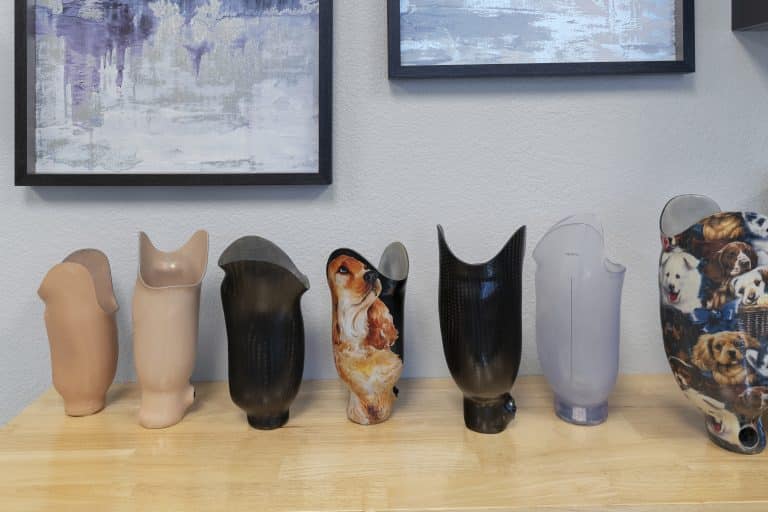
Because a prosthetic socket is designed to be rigid to support your weight, it cannot automatically adapt to these natural biological changes. This mismatch between a dynamic body and a static socket is the primary reason why ongoing adjustments are a standard part of lower limb prosthesis care.
Common Types of Prosthetic Adjustments
When you visit your prosthetist for an adjustment, they will evaluate your gait, skin health, and overall comfort to determine the best course of action.
Here are the most common adjustments you might encounter:
Socket Relining and Padding
If your residual limb has shrunk, the socket may feel loose, leading to friction and instability. Prosthetists can often perform a socket relining – adding specialized material or padding to the inside of the socket to restore a snug, secure fit without needing to fabricate an entirely new device. Conversely, if the limb has expanded, certain areas of the socket can be ground down or relieved to reduce pressure points.
Dynamic Alignment
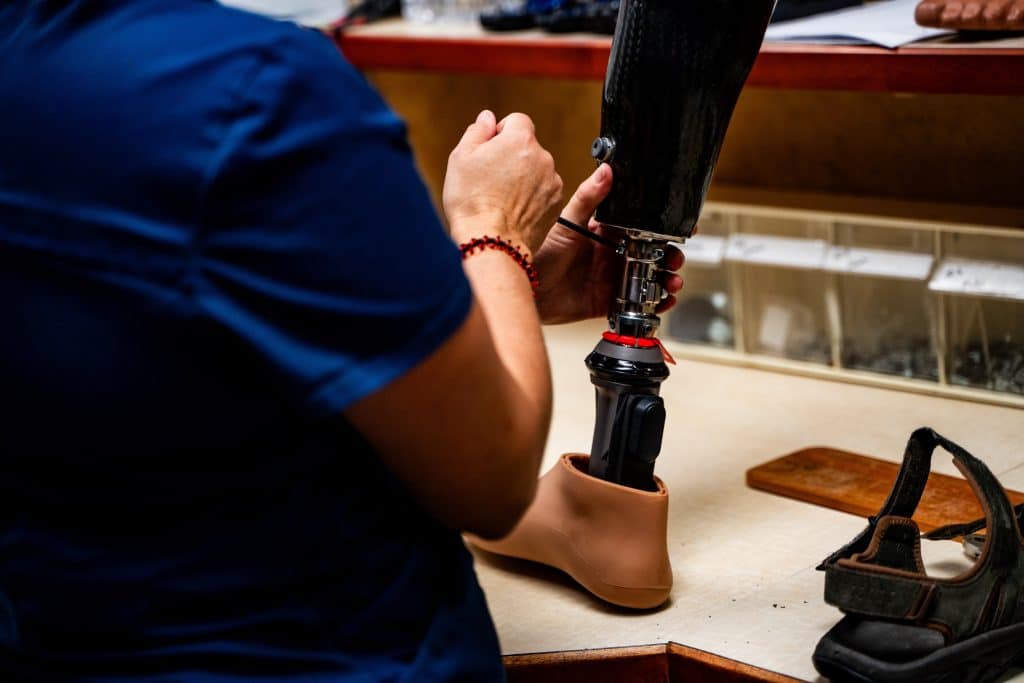
Alignment refers to how the socket is positioned relative to the prosthetic knee and foot. Proper alignment is crucial for a smooth, natural gait and for minimizing energy expenditure while walking. During a dynamic alignment adjustment, your prosthetist will watch you walk and make micro-adjustments to the angles and positioning of the components. This ensures your weight is distributed evenly, reducing strain on your back, hips, and sound limb.
Suspension System Updates
The suspension system is what keeps the prosthesis securely attached to your body (e.g., suction, pin lock, or elevated vacuum). If your prosthesis feels like it is slipping or rotating, the suspension system may need to be adjusted or replaced. Sometimes, a simple change in the thickness of your prosthetic socks or a new silicone liner is all that is required to re-establish a secure hold.
Signs Your Prosthesis Needs Attention
Knowing when to reach out to your prosthetist is key to preventing minor issues from becoming major setbacks.
Do not wait for your next scheduled appointment if you experience any of the following:
- Persistent Discomfort or Pain: While some initial awkwardness is normal, sharp pain or ongoing soreness is a clear signal that the socket fit is off.
- Skin Irritation or Breakdown: Redness that does not fade shortly after removing the prosthesis, blisters, calluses, or open sores are critical warning signs of excessive friction or pressure.
- Excessive Looseness or Pistoning: If your limb slides up and down inside the socket (pistoning) or the leg rotates as you walk, your suspension or volume management needs adjusting.
- Changes in Gait or Balance: If you suddenly feel unstable, find yourself stumbling, or experience new lower back or hip pain, your alignment may need recalibration.
Managing daily volume changes often involves using prosthetic socks. Adding or removing “ply” (thickness) throughout the day is your first line of defense against a loose or tight socket.
The Role of Follow-Up Care in Prosthetics
Follow-up care is the cornerstone of long-term success with an artificial limb. Your prosthetist is your partner in mobility. During follow-up visits, they do more than just fix problems; they anticipate them.
Regular inspections allow your care team to catch wear and tear on components like liners and joints before they fail. Furthermore, as your activity level increases – perhaps you are transitioning from walking indoors to hiking or playing sports – your prosthesis may need to be upgraded or adjusted to handle the new physical demands.
Ongoing Prosthetic Care with Pongratz
A prosthetic socket is not a one-time solution; it is a dynamic interface that requires ongoing care and attention. Regular prosthetic adjustments are essential milestones on your path to regaining independence and mobility. By understanding why your body changes and recognizing the signs that an adjustment is needed, you can proactively manage your comfort and prevent complications.
Ready to optimize your fit? If you are experiencing discomfort or simply need a routine check-up, schedule a same-day appointment with the experts at Pongratz Orthotics & Prosthetics today.