

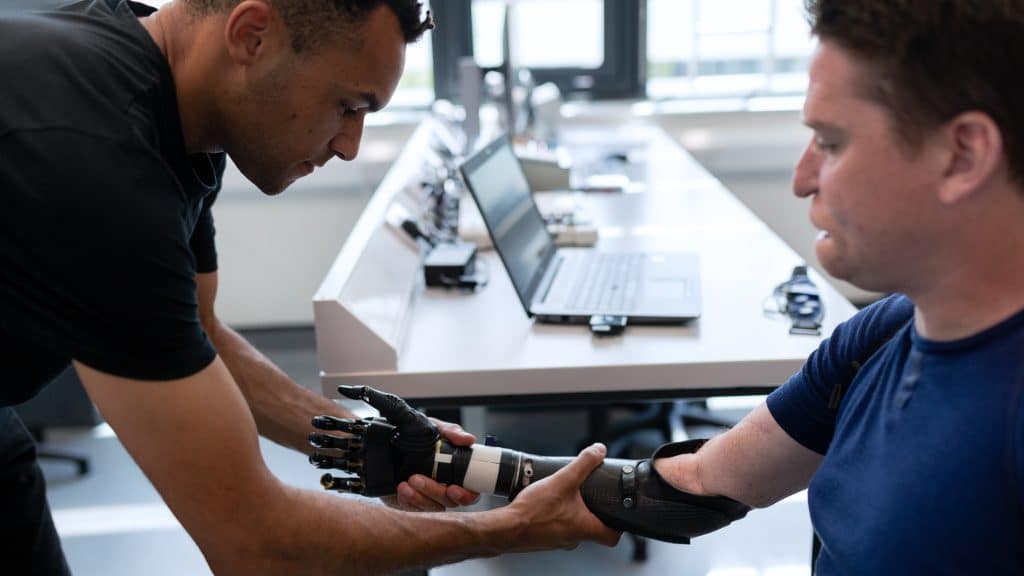
If you have experienced limb loss, prosthetics can provide increased mobility and support. But how long do they last before a replacement is needed? Is there a way to extend the life of your prosthetic?
How Long Does a Prosthetic Typically Last?
On average, a typical prosthetic device will last 3-5 years. But the lifespan will depend heavily on the type of prosthetic, as leg and arm prosthetics wear down at different rates. Additionally, the materials used to create the prosthetic, such as carbon fiber and titanium, will affect its lifespan.
For children, prosthetic limbs may need more frequent replacements due to growth. This is expected and should be planned long before a replacement is needed. With regular maintenance, prosthetics can last longer.
What Factors Affect the Lifespan of a Prosthetic?
Several factors can affect the lifespan of a prosthetic.
- Daily activity
- Weight change
- Exposure to heat and moisture
- Quality of initial fitting
High-impact use, such as sports, will show signs of wear sooner compared to sedentary lifestyles. Poor maintenance and failure to regularly clean the prosthetic can also affect long-term quality.
How Often Should I Replace My Prosthetic?
While you won’t have to replace prosthetics every year, it is recommended that you get evaluations every 6-12 months. Per industry standards, full replacements should happen every 3-5 years.
Most insurances often cover replacements every 5 years, but make sure to assess your personal needs so you can anticipate replacements ahead of time.
What Are the Signs That My Prosthetic Needs Replacement?
Sometimes, you may need to replace a prosthetic before the standard 3-5 years.
There are a few ways to assess if a replacement is needed:
- Discomfort
- Unusual noises
- Visible cracks
- Poor fit and function
You may also notice skin issues such as irritation or sores from a poor fit in the socket, which could be caused by residual limb changes. It’s important to replace the limb, as instability could lead to falls or injury.
How Long Does a Prosthetic Leg Last Compared to Other Types?
Prosthetic legs usually last 3-4 years due to weight-bearing stress, unlike upper-limb prosthetics, which can last up to 5 years or more.
Some specialized prosthetic limbs, like myoelectric devices, may require batteries or prosthetic components to be swapped sooner than expected. It’s important to self-assess instead of relying solely on general recommendations.
Can I Extend the Life of My Prosthetic with Proper Care?
When taking care of your prosthetic arm or leg, proper maintenance can help extend the life of your prosthetic.
Some tips include:
- Regular cleaning
- Protective covers
- Avoiding extreme conditions
- Prompt repairs
- Routine check-ups
As an extra precaution, prioritize weight management, as this can affect the fit of certain prosthetic devices.
What Happens If I Ignore Signs of Wear in My Prosthetic?
Neglecting to address signs of wear in your prosthetics can lead to negative impacts on your health and overall quality of life.
Risks include:
- Increased pain
- Skin breakdowns
- Inefficient gait
- Secondary injuries
- Complete prosthetic failure
A delayed replacement can lead to more expensive fixes or health complications. Proactive monitoring can prevent these issues and ensure long-term health.
When Should I Consult a Professional for Prosthetic Replacement?
There are a few common signs that you need to consult a professional for prosthetic replacement.
- Persistent discomfort
- Major life changes
- After 3 years of use
Expert evaluations can open the door to benefits like precise assessments, custom adjustments, and advanced materials.
Custom Prosthetics with Pongratz
At Pongratz, we specialize in creating custom prosthetics designed to meet your unique needs. Our expert team will work with you to ensure a perfect shape and size for optimal support, helping you live a life with greater mobility. Schedule a consultation today to learn how custom prosthetics can benefit you.


