

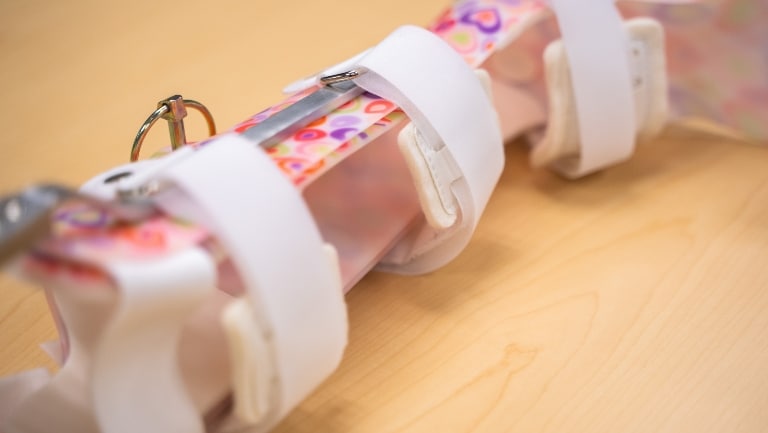
Orthotics are specialized devices, often in the form of shoe inserts, designed to support and align your foot and ankle. They’re a game-changer for people dealing with foot pain, heel pain, plantar fasciitis, flat feet, or high arches. By providing arch support, orthotics can ease pain and discomfort not just in your feet but also in your knees and hips. Whether you’re an adult managing daily aches or a parent helping a child with foot problems, knowing when to replace orthotics is essential for keeping them effective. Here’s everything you need to know about their lifespan and care.
How long are orthotics supposed to last?
On average, orthotics last between 1 and 5 years, but this depends on several factors:
- Type of orthotic: Custom-made orthotics, crafted to fit your unique foot shape, often outlast over-the-counter shoe inserts because they use durable materials like carbon fiber.
- Usage: If you’re into high impact activities like running or sports, your orthotics may wear out faster due to extra stress.
- Materials: Higher-quality materials resist signs of wear longer than softer, less durable ones.
For kids, it’s a different story. Growing feet mean their orthotics might need replacing every 6 to 12 months. Adults typically get 2 to 3 years out of a pair, but checking them annually for warping, cracking, or buckling is a smart move to ensure they’re still doing their job.
How do you know if you need new orthotics?
Your orthotics will give you clues when they’re ready to retire.
Watch for these signs:
- Increased pain: If foot pain, heel pain, or aches in your knees or hips creep back, your orthotics might not be supporting you anymore.
- Visible wear: Check for cracks, flattening, warping, cracking, or buckling, especially in the heel or arch areas.
- Less support: If the cushioning feels thin or the arch support isn’t as firm, they’ve likely lost their shape.
- Foot changes: Weight shifts or aging can change your foot structure, making your current pair less effective.
If you spot these, it’s time to visit an orthotist to see if a replacement is due.
Do orthotics flatten over time?
Yes, orthotics can flatten, especially under heavy use. Softer materials wear down faster, particularly if you’re pounding them with high-impact activities. When they flatten, they lose their ability to support your foot and ankle, which can bring back pain and discomfort. Custom-made orthotics made with sturdy materials like carbon fiber hold up better than basic shoe inserts. To extend their life, try rotating them between different pairs of shoes and avoid exposing them to extreme heat or moisture.
How often should orthotics be adjusted?
Orthotics aren’t always a “set it and forget it” solution—they might need tweaks to stay effective. Adults should have them checked every 1 to 2 years to ensure a good fit. For kids, adjustments might be needed every 6 to 12 months as their feet grow.
Other reasons to adjust include:
- Evolving foot conditions: If your foot problems shift—like developing flat feet or high arches—your orthotics may need updating.
- Wear and tear: Small adjustments can keep them working well even if your feet haven’t changed much.
Your orthotist can recommend a schedule based on your specific type of orthotic and your needs.
How do you know if your orthotics are bad?
Worn-out or poorly fitted orthotics can do more harm than good.
Here’s how to tell if they’re “bad”:
- Ongoing discomfort: If wearing your orthotic causes blisters, redness, or worse pain and discomfort, it might not fit right.
- No relief: If your plantar fasciitis or heel pain sticks around, your orthotics may not be the right match for your condition.
- Uneven wear: More signs of wear on one side could mean they’re misaligned with your gait.
If these pop up, don’t tough it out—get them checked by a professional.
Is it good to wear orthotics all the time?
For many, wearing your orthotic consistently helps manage chronic issues like plantar fasciitis or flat feet. But it’s not a one-size-fits-all answer. Some people only need them for specific tasks, like walking or standing, while others benefit from slipping them into every pair of shoes. Over the long term, as your feet get stronger, you might cut back on use, but always check with your healthcare provider before making changes. Orthotics should support your recovery, not become a permanent crutch.
Trusted Orthotists at Pongratz
Our comprehensive and professional services will ensure your orthotics and prosthetic limbs are always in optimal condition.
If you or your loved one requires a professional orthotist, consider consulting with Pongratz. We promise that our care utilizes the latest advancements in orthotic and prosthetic technology. We will ensure your needs are met and that you are on the path to healthy foot, ankle, and back development.
Our team of specialists in Avondale, Chandler, Gilbert/Mesa, Phoenix, Glendale, Scottsdale, and Tucson would love to help you.