

A well-maintained prosthetic device is so much more than a piece of equipment. It’s your key to freedom, movement, and everyday life. Whether you’re adjusting to limb loss yourself or caring for a child with a prosthetic, consistent upkeep is critical to keeping the device comfortable and functional.
Here’s what you need to know to care for your prosthetic and ensure it fits and functions as it should.
Why Regular Prosthetic Maintenance Matters
Just like your car needs oil changes, your prosthetic needs regular TLC. Skipping maintenance can lead to a poor fit, skin irritation, and frustrating performance issues. Over time, daily use can lead to signs of wear that may affect the fit, function, and even your skin health.
Routine maintenance helps:
- Prevent breakdowns
- Catch small issues before they become big ones
- Ensure maximum comfort and alignment
- Protect your residual limb from skin breakdown or irritation
How Often Should I Clean My Prosthetic Device?
Clean your prosthetic device daily. Just like brushing your teeth, cleaning your prosthetic is a non-negotiable habit. Prosthetic socks and liners should also be washed daily with mild detergent and left to air-dry completely.
What Cleaning Supplies are Safe for Prosthetic Maintenance?
- Mild, fragrance-free soap
- Warm (not hot) water
- Soft cloth or sponge
- Absolutely no bleach, alcohol, or abrasive cleaners
How Can I Prevent Wear and Tear on My Prosthetic?
Even the most durable artificial limbs will wear down over time.
To reduce that risk:
- Avoid moisture and remove your prosthetic before bathing or swimming unless it is specifically designed for it
- Keep it away from excessive heat or cold
- Regularly inspect for cracks, worn parts, or loose bolts
- Don’t over-tighten straps or make makeshift repairs
What Should I Do If My Prosthetic Device Feels Uncomfortable?
If your prosthetic feels off, don’t push through it; contact your prosthetist. A poor fit can lead to pain, skin breakdown, or long-term alignment issues.
Remember, changes in weight, activity level, or the shape of your residual limb can all affect the fit of your device. That’s normal and fixable.
How Can I Protect My Prosthetic from Environmental Damage?
Protecting your prosthetic from environmental damage means being aware of the types of damage that can occur in different conditions.
- Heat: Intense heat can wreak havoc on bionic limbs, warping plastics, softening adhesives, and messing with sensitive electronics. Keep your prosthetic out of direct sunlight and away from high temperatures.
- Cold: Freezing weather can turn flexible materials brittle and crack-prone. It also thickens lubricants, making movement stiff and sluggish.
- Moisture: High humidity and water exposure can lead to rust, corrosion, electrical glitches, and skin irritation, especially with electronic components. Dry is best.
- Dust & Debris: Sand, dirt, and grit love to sneak into joints and moving parts, causing friction, wear, and eventual breakdowns.
What are the Signs That My Prosthetic Needs Repair or Adjustment?
Don’t ignore the little things, because they can turn into big things fast.
Call your prosthetist if you notice:
- Squeaking, clicking, or grinding sounds
- Unusual pressure or discomfort
- Redness or skin irritation that doesn’t resolve quickly
- Loosening or shifting during use
- Difficulty walking or maintaining balance (for prosthetic legs)
Bottom line, being uncomfortable is unacceptable. Your device should support you, not sabotage you.
How Do I Care for the Socket of My Prosthetic Device?
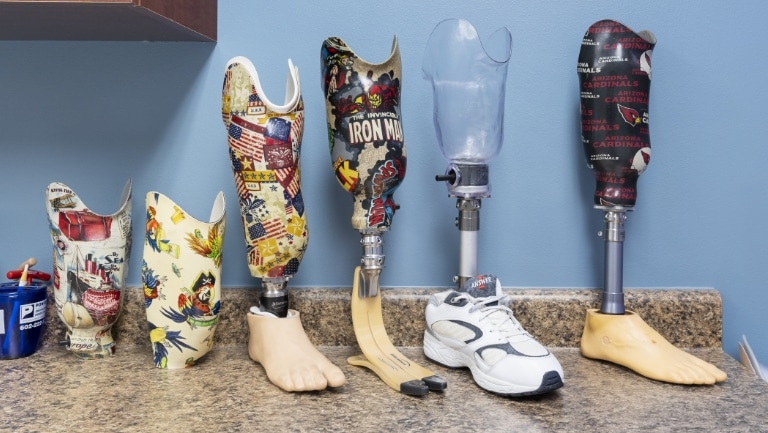
The socket is the bridge between your body and your prosthetic, and it deserves VIP treatment. Clean it regularly with a damp cloth, inspect for residue, and never wear it over damp or dirty skin. If the socket smells bad or causes itching, that’s a red flag! Get it checked.
Can I Perform Minor Repairs on My Prosthetic at Home?
That’s a qualified yes. Stick to basic upkeep and let your prosthetist handle mechanical adjustments.
DO:
- Tighten screws
- Clean surfaces
- Replace prosthetic socks or liners
DON’T
- Adjust alignment
- Ignore damage
- Superglue something back together (yes, we’ve seen it…)
How Should I Store My Prosthetic Device When Not in Use?
When not in use, store your prosthetic device:
- In a cool, dry place
- Away from direct sunlight
- Fully dried and cleaned
For growing children or part-time users, proper storage helps preserve the type of prosthetic and makes transitioning smoother.
What Role Does Skin Care Play in Maintaining a Prosthetic?
Skin care isn’t cosmetic, it’s essential. Clean and inspect your residual limb daily. Use moisturizers at night, but never right before putting on your limb. Watch for any signs of irritation, pressure sores, or blisters. Good hygiene supports a better prosthetic fit and helps prevent infections or delays in use.
How Often Should I Schedule Professional Check-Ups for My Prosthetic?
Think of your prosthetist like your prosthetic’s primary care doctor. Scheduling regular appointments is key for making sure everything fits and functions correctly.
- Adults: every 6–12 months
- Kids: more often, especially during growth spurts
- Sooner if anything feels off or starts to rub the wrong way
What Maintenance Tips are Specific to Upper Limb Prosthetics?
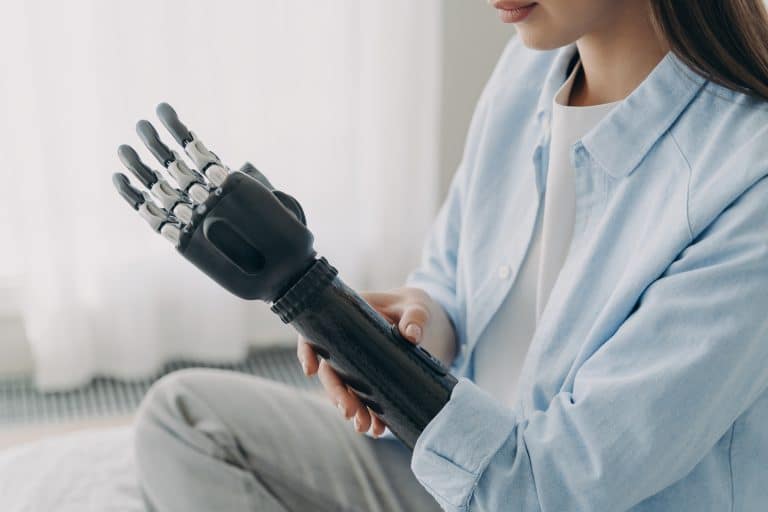
Upper limb prosthetics often involve fine motor control and cosmetic elements, which means care needs to be both mechanical and aesthetic. Keep joints and moving parts clean and lubricated as recommended, and notify your prosthetist if you notice decreased grip strength or changes in alignment.
How Can I Extend the Lifespan of My Prosthetic Device With Proper Care?
Get the most out of your prosthetic device by following a few golden rules:
- Clean your device daily
- Don’t ignore discomfort
- Avoid extreme conditions
- Stay proactive, not reactive
- Keep up with professional maintenance
A well-loved prosthetic doesn’t just last longer, it supports your lifestyle better, from mobility to confidence.
Need Support? Pongratz is Here.
At Pongratz Orthotics & Prosthetics, we’re committed to helping you get the most out of your limbs, prosthetics, and orthotics.
Whether it’s a small adjustment or a full refitting, we’re only a call away.