
Prosthetic devices are artificial substitutes designed to replace a missing body part, such as a leg, arm, hand, or even internal organs like heart valves. These devices are crucial for adults and children who have lost limbs due to injury, disease, or congenital conditions, helping them regain mobility, function, and confidence. Whether you’re an adult needing a prosthetic limb or a parent seeking solutions for a child, understanding what prosthetic devices are and how they work is the first step toward improving quality of life.
What is an example of a prosthetic device?
A prosthetic device is any artificial device that replaces a missing body part.
Some common examples include:
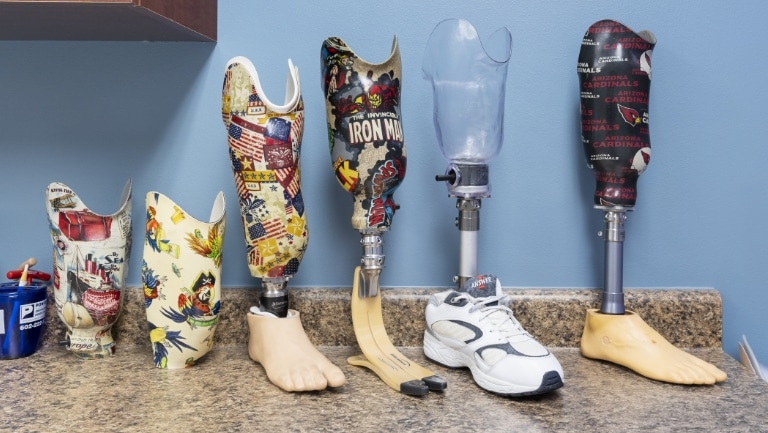
- Prosthetic legs: These allow individuals to walk, run, and carry out daily tasks after losing a lower limb.
- Prosthetic arms and hands: These help with gripping objects, writing, or using technology, often controlled by muscle signals.
- Prosthetic joints: Devices like artificial knees or hips restore range of motion and reduce discomfort.
Beyond limbs, prosthetics also include cosmetic options like breast prosthetics after mastectomy or facial prosthetics for surgical patients. Essentially, any device that replaces a body part and restores function or appearance qualifies as a prosthetic.
What is the most common prosthesis?
The most common type of prosthesis is the prosthetic leg, particularly those designed for below-the-knee amputations. Lower limb amputations are more frequent than upper limb amputations, often caused by conditions like diabetes, vascular disease, or trauma. In the United States, artificial legs are widely used by people with limb loss to maintain independence and mobility.
What counts as a prosthetic?
A prosthetic is any artificial device that replaces a missing body part.
This includes:
- Artificial limbs such as legs, arms, and hands.
- Internal devices like heart valves or joint replacements (sometimes called prosthetic implants).
- Cosmetic prosthetics, such as breast or facial reconstructions.
If it’s designed to replace a body part and improve function or appearance, it’s considered a prosthetic.
What is the difference between a prosthesis and a prosthetic?
Though related, these terms have distinct meanings:
- A prosthesis is the actual artificial device—the physical object that replaces the missing body part.
- Prosthetic is an adjective describing anything related to prosthetics, such as prosthetic technology, prosthetic hand, or prosthetic fitting.
For example, you might say, “The prosthesis is custom-made,” while “The prosthetic leg enhances mobility.”
What is the average life expectancy of a prosthesis?
The lifespan of a prosthesis varies based on its type, materials, and usage. Most prosthetic limbs, like artificial legs or arms, last between 3 and 5 years before needing replacement or major repairs. For children, growth may require more frequent adjustments, while changes in the residual limb (the remaining part of the limb) can also affect fit over time. Regular visits to a prosthetist ensure the device remains comfortable and functional.
Which body part is the most common to be replaced with a prosthetic?
The leg, especially below the knee, is the most commonly replaced body part with a prosthetic device. This is largely due to the prevalence of lower limb amputations from diabetes, accidents, and circulatory problems. Prosthetic legs enable individuals to reclaim their range of motion and continue everyday activities, making them a vital tool for many.
Does insurance cover prosthetics?
Yes, many health insurance plans in the United States cover prosthetic devices, but the extent of coverage depends on the specific plan. Some insurance companies may fully fund a prosthetic leg or prosthetic hand, while others require co-pays or have limits on certain devices. It’s wise to contact your healthcare provider or insurance company to confirm benefits, pre-authorization needs, and required documentation. At Pongratz Orthotics & Prosthetics, our team assists patients in navigating insurance coverage to ensure they receive the support they need.
Trusted Orthotists at Pongratz
Our comprehensive and professional services will ensure your orthotics and prosthetic limbs are always in optimal condition.
If you or your loved one requires a professional orthotist, consider consulting with Pongratz. We promise that our care utilizes the latest advancements in orthotic and prosthetic technology. We will ensure your needs are met and that you are on the path to healthy foot, ankle, and back development.
Our team of specialists in Avondale, Chandler, Gilbert/Mesa, Phoenix, Glendale, Scottsdale, and Tucson would love to help you.