
Prosthetic devices have come a long way over the past few decades, yet misinformation is still widespread. These myths can create unnecessary fear, unrealistic expectations, or even prevent someone from seeking care altogether.
Myth #1: Prosthetic Devices Are Only for Amputees Who Lost a Limb Recently
Reality: Prosthetic care is not limited to new amputees.
Many people seek prosthetic services years after limb loss, often because:
- Their current prosthesis no longer fits properly
- Their activity level has changed
- New prosthetic technology offers better comfort or function
It’s never “too late” to explore prosthetic options or request a second opinion.
Myth #2: Prosthetic Limbs Work Exactly Like Natural Limbs
Reality: While modern prosthetics are highly advanced, they are assistive devices, not exact replacements for biological limbs.
Successful use depends on:
- Proper fitting and alignment
- Rehabilitation and training
- Strength, balance, and adaptation over time
Prosthetics are designed to restore function, independence, and mobility, not perfection – and realistic expectations are key to long-term success.
Myth #3: Prosthetic Devices Are One-Size-Fits-All
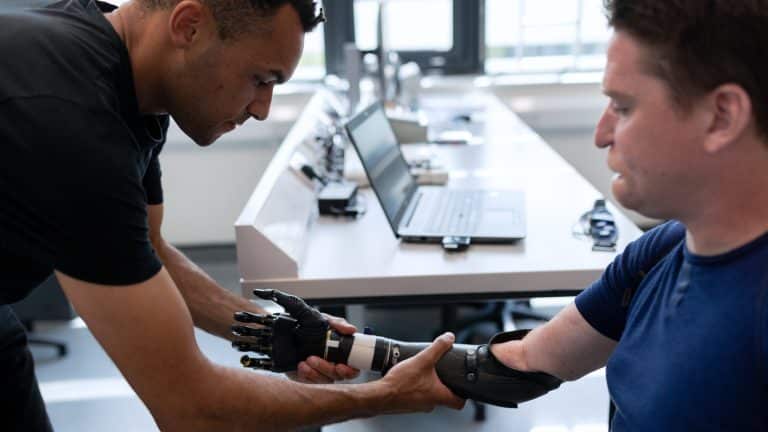
Reality: Prosthetic devices are custom-built for each individual. A proper prosthesis considers:
- Residual limb shape and sensitivity
- Lifestyle and activity level
- Work demands and hobbies
- Overall health and mobility goals
Even small differences in fit can significantly impact comfort and performance, which is why ongoing adjustments and follow-up care are essential.
Myth #4: Prosthetic Limbs Are Too Heavy and Uncomfortable to Use Daily
Reality: Today’s prosthetic devices use lightweight, durable materials designed for daily wear.
While some initial discomfort may occur during the adjustment period, ongoing pain is not normal and often signals:
- A fit issue
- Alignment concerns
- The need for component adjustments
Comfort improves significantly when the prosthesis is properly designed and maintained.
Myth #5: Only Athletes or Very Active People Benefit from Prosthetics
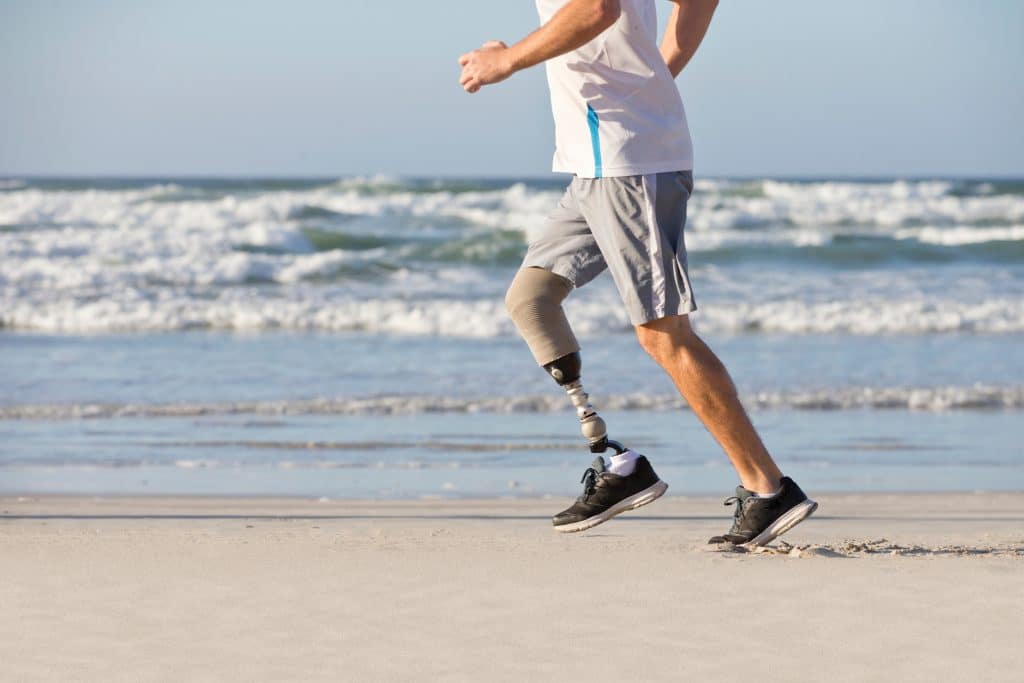
Reality: Prosthetic devices support a wide range of lifestyles – not just athletic performance.
Many users rely on prosthetics for:
- Walking and standing safely
- Household activities
- Work responsibilities
- Social independence
Prosthetic goals are individualized, whether that means running marathons or simply moving through daily life with confidence.
Myth #6: Once You Get a Prosthesis, You’ll Never Need Changes or Adjustments
Reality: The body changes over time, and so do prosthetic needs.
Common reasons for updates include:
- Residual limb volume changes
- Wear and tear on components
- Changes in mobility or health
- Advancements in prosthetic technology
Regular evaluations help ensure the prosthesis continues to function safely and comfortably.
Myth #7: Prosthetic Technology Is Too Advanced to Be Practical for Everyday Use
Reality: While prosthetic technology has advanced significantly, innovation is focused on practical daily function, not complexity for its own sake.
Improvements aim to:
- Reduce strain on the body
- Improve stability and balance
- Enhance ease of movement
- Support long-term joint health
Technology is only beneficial when it serves real-world needs – and most modern prosthetics are designed with that priority in mind.
Why Understanding Prosthetic Myths Matters
Believing outdated or inaccurate information can delay care, limit recovery, or lead to unnecessary frustration.
Understanding the realities of prosthetic devices helps individuals:
- Set realistic expectations
- Advocate for proper care
- Seek adjustments when needed
- Explore better options when current solutions fall short
Seek a Prosthetic Second Opinion at Pongratz
If a prosthetic device feels uncomfortable, limiting, or outdated, a second opinion can help identify better solutions. Prosthetic care is a long-term relationship, and having the right clinical team makes a measurable difference in outcomes and quality of life.
We’re ready to help get you a device that’s comfortable and compatible with your lifestyle.
Schedule an appointment today!