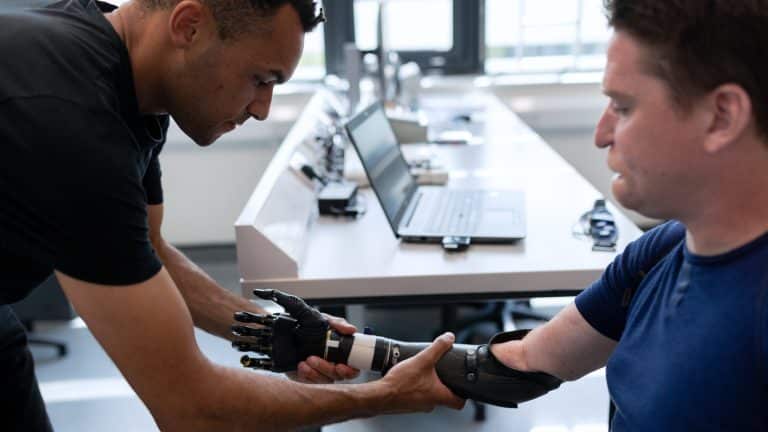


Prosthetic and orthotic care continues long after delivery. Devices support mobility but must adapt as bodies change. Ongoing adjustments, monitoring, and teamwork between patient and provider secure comfort and function, prevent issues, and maintain independence.
Why Prosthetic and Orthotic Devices Require Ongoing Care
Bodies shift constantly. Healing, weight gain or loss, muscle changes, and activity level alter shape and needs. Static devices soon lose optimal fit and function. Regular follow-up catches misalignment early. It prevents pain, poor gait, or injury. Long-term oversight boosts confidence and outcomes in prosthetics and orthotics.
How Residual Limb and Body Changes Affect Prosthetic and Orthotic Fit
Natural Changes in the Residual Limb After Amputation
After limb loss, residual limbs shrink as swelling fades and tissue matures. Volume fluctuates for months or years. The prosthetic socket must be reshaped or replaced to match. Without adjustments, pressure builds and comfort drops.
Physical Changes That Affect Orthotic Devices
Orthotic devices support alignment in growing children, changing posture, or recovering strength. Muscle gains from physical therapy or physical therapist sessions shift needs. Gait evolves. Devices that once fit perfectly become restrictive or loose.
Preventing Skin Irritation, Pressure Sores, and Injury
Why Skin Health Is Critical for Prosthetic and Orthotic Users
Prosthetic and orthotic users face a high risk at contact points. Pressure points, friction, sweat, and extreme temperatures cause irritation. Early skin breakdowns lead to ulcers or infection if ignored. Skin care routines and vigilant checks matter.
How Follow-Up Visits Help Prevent Complications
Appointments with your prosthetist spot red flags—hot spots, blisters, calluses. Providers adjust padding, alignment, or suspension. Minor tweaks prevent major wounds and keep users active.
Optimizing Comfort, Mobility, and Performance
Fine-Tuning Alignment and Fit
Small socket or brace changes improve walking mechanics. Proper alignment cuts strain on the back, hips, and knees. It preserves joints and muscles.
Improving Daily Function and Independence
Tweaks enhance performance for work, hobbies, or errands. Users move with less effort and greater stability. Confidence grows.
Monitoring Prosthetic and Orthotic Device Wear and Maintenance
Components face wear and tear – liners compress, joints loosen, and materials fatigue. Inspections catch issues before failure. Safe devices last longer.
Adjusting Devices for Lifestyle Changes and Activity Levels
Higher activity level, sports, jobs, travel, demands stronger components or different designs. Upgrades in technology improve prosthetic limbs or orthotic devices. Adjustments match current life.
The Role of Follow-Up Care in Pediatric Prosthetics and Orthotics
Children grow fast. Upper limb and lower limb devices need frequent resizing. Orthotic devices guide the development of bones and muscles. Regular checks support healthy growth and prevent deformity.
How Often Should Prosthetic and Orthotic Follow-Up Appointments Occur?
The initial phase needs frequent visits, every few weeks to months. Stable users see providers every 6–12 months.
Schedule sooner if:
- Pain or discomfort appears
- Skin irritation develops
- Mobility feels off
- Device feels loose or unstable
What Happens During a Prosthetic or Orthotic Follow-Up Appointment?
Providers evaluate prosthetic fitting, alignment, and gait. Skin is checked for issues. Components are inspected and adjusted. Patients discuss goals, comfort, and changes in activity level.
Long-Term Care Creates Better Outcomes for Prosthetic and Orthotic Patients
Consistent follow-up keeps devices safe, effective, and comfortable. It supports mobility, independence, and quality of life. Communicate concerns early. Maintain regular appointments with your prosthetist.
Long-Term Prosthetic Care with Pongratz
Pongratz Orthotics & Prosthetics delivers expert, personalized follow-up. Skilled team monitors changes, fine-tunes devices, and prioritizes your mobility and well-being. Contact Pongratz to schedule ongoing support.